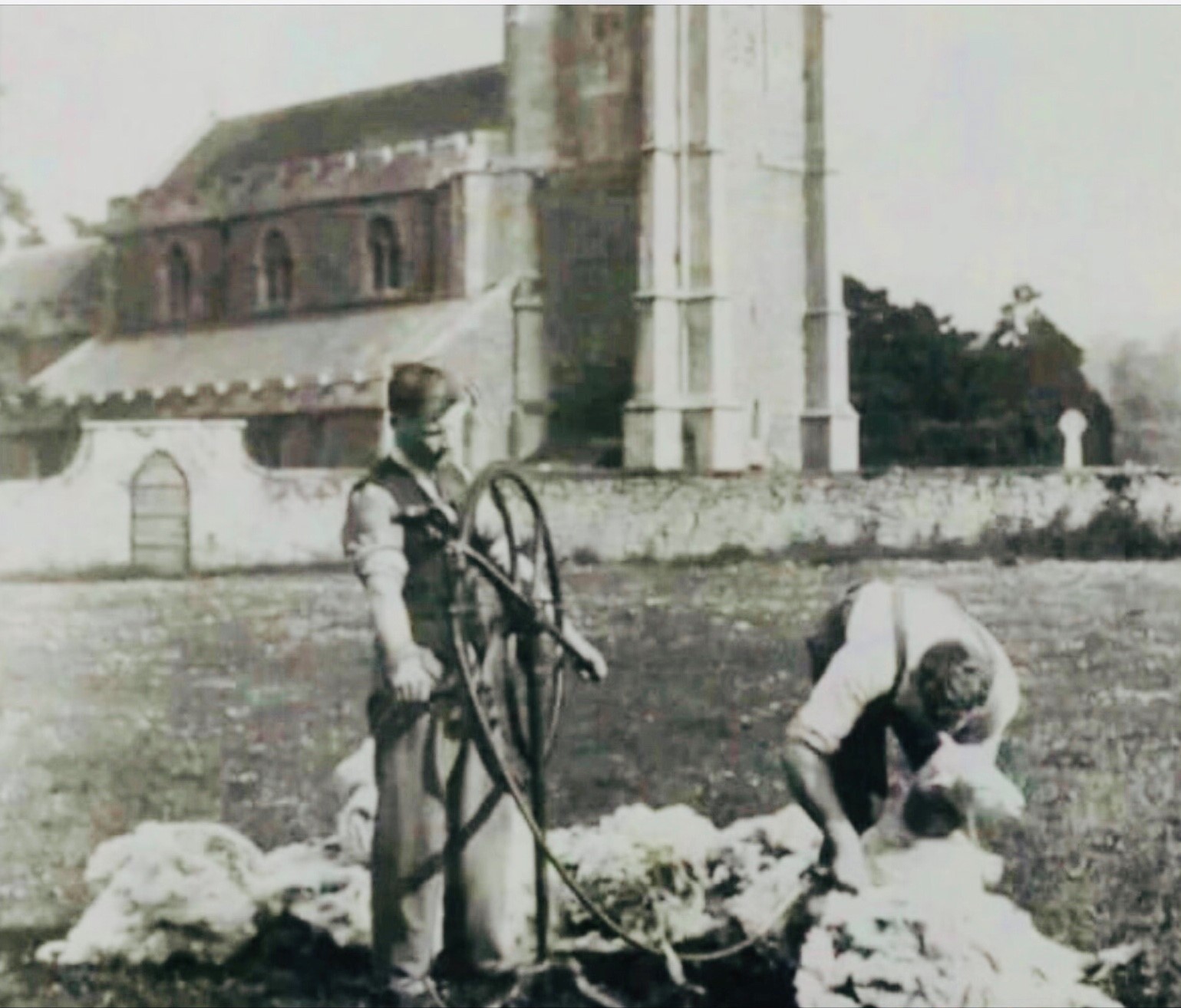
Services and events at St George's over the next three months,
and united services for all three churches.
Sat28NovCHRISTMAS MARKETSat 28 Nov, 10:30am · St George's Church Hall
Our annual Christmas Market - with stalls including crafts, preserves, books, toys, cakes, bottle stall, Christmas Hamper, refreshments - and many more.
Featuring a performance by Crockerne Primary School Choir.
Tue1DecFuneral - Elizabeth FosterTue 1 Dec, 11am · St George's Church
Sun6DecHoly CommunionSun 6 Dec, 10:30am · St George's Church
Tue8DecBurial of AshesTue 8 Dec, 11:30am · St George's Church
Tue8DecFuneralTue 8 Dec, 1pm · St George's Church
Fri11DecPill Community Choir Christmas ConcertFri 11 Dec, 7:30pm · St George's Church
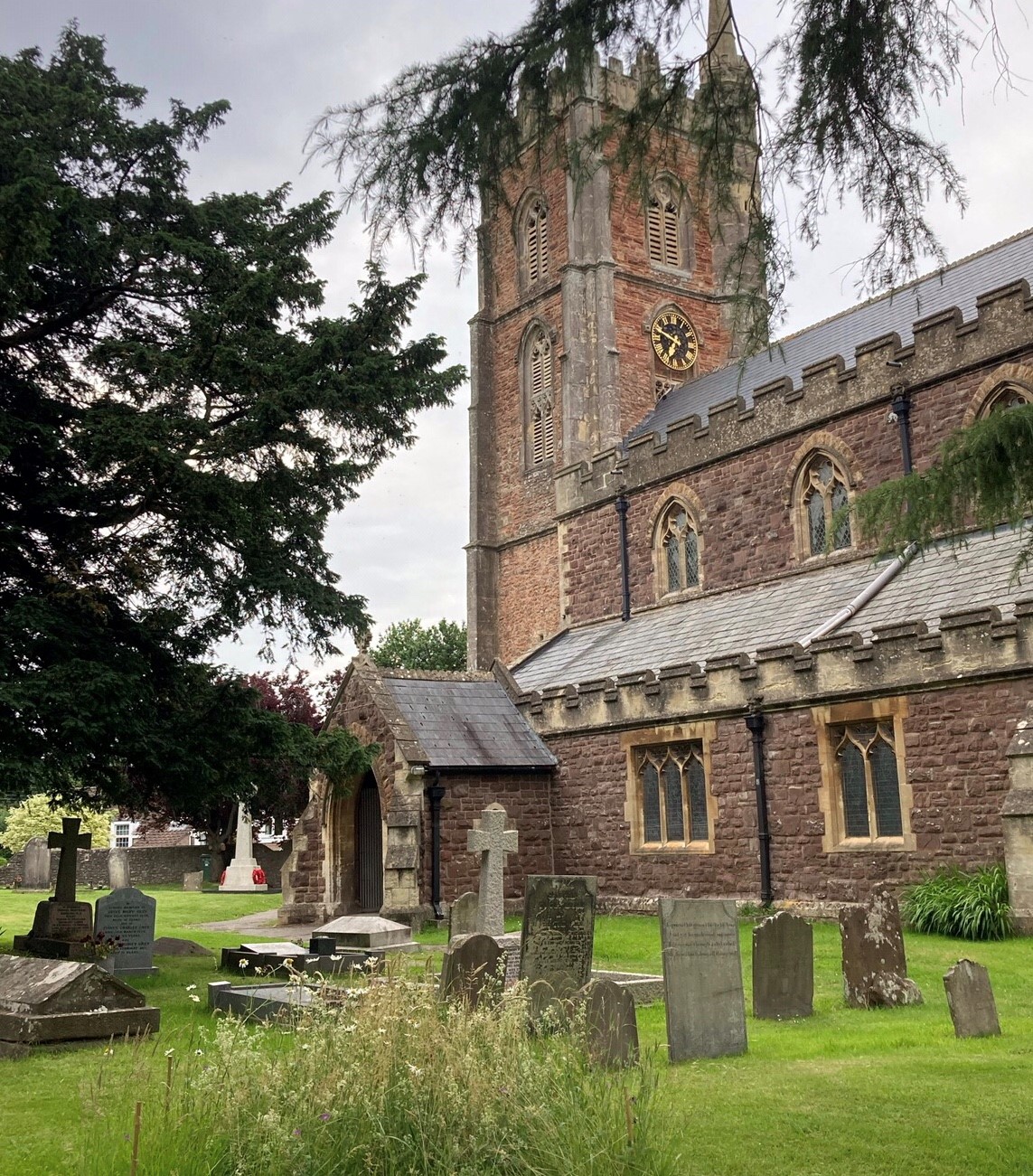
St George’s
Church has a rich history and, along with the churchyard, reflects the
seafaring heritage of the villages of Pill and Easton in Gordano. As well as
being a Commonwealth Graves location, many of the family graves are those of
seafarers, pilots, hobblers and reflect the importance of the people of Pill to
generations of seafarers trying to reach the Port of Bristol. Indeed, inside
the church there is a memorial to Captain Samuel Sturmey (1633 – 1669) a local
mariner who published “The Mariners’ Magazine” which is widely regarded as an
early classic of navigation.
The church
itself has been rebuilt several times, and evidence of this can be seen inside,
especially at the west end of the nave.
The tower is all that remains of the medieval church, and houses a peal
of six bells.
Local
historian Lou Dixey has contributed this article about the history of St
George’s Church.
St George’s Church, Easton in
Gordano has had a checkered architectural history. Much could be written about
its ecclesiastic evolution, shared as it was, with the changing manors and
diocesan administrators associated with the Portbury Hundred.
George de Fibele or Desfuble
presented the patronage of the church of Easton plus its rectoral tithes to the
Cathedral Church of St Andrew, Wells in 1239-40, to be disposed of as with
other prebends of Wells.
The vicars of St George’s were in general appointed by the
prebendary of Easton (residing at Wells), from this time until the 19th
Century. There is no clear indication of exactly when the first church was
built or who commissioned it.
A quote from “West Country
Churches” Volume 2, by W.J. Robinson states the following:
“The ancient tower, which dates,
as to its lower part, from the thirteenth century, and as to the upper half
from the sixteenth, has seen three churches come and go, and now looks down
upon the fourth”
The tower, with its tiny, worn,
spiral stone staircase remains much as it always was, with the exception of
access, which is now up through two bell loft floors by steep ladders. The
remainder of the climb up the original well-worn stone spiral staircase gives a
clear indication that the climbers of old did not have the well fed, strong,
upright physique of people today.
From the tower platform there is
a panoramic view, which before the raised hump of the railway bridge and now,
motorway, would have been straight down to the Bristol Channel. So, a very
useful landmark for ships looking for land references and people looking for
ships!!
It is difficult finding reference
to our parish in the pamphlets about the tsunami of 1607… “The Great Flood”, but, as Bristol was flooded
in some places above rooftops and the waters raced in as far as Glastonbury it
is hard to imagine Pill, Portbury and Easton in Gordano escaping this biblical
inundation and St George’s Church, no doubt, suffered a massive influx of water
in the body of the church and up through the base of the tower along with other
churches here and on the Welsh coast. If only records could be discovered!!
W.J. Robinson’s book on West
Country Churches suggests that all that remains of the original church can be
found in the foundation arches of the tower and one window in that place.
Little is known about the first
church but, it is recorded, that in 1447 the church wardens of Yatton, sent
three men over to St George’s to have a look at the “allure”, or rood loft, as
an example of architectural accomplishment before designing their own.
At the time of additions to the
height of the tower plus buttresses, in about 1570, the second church was built
and remained as a sacred beacon to parishioners until 1822, with no apparent
shortfall in its ability to carry out its duties. Sadly, there are no pictures
of the church at this time, however, dating from about 1570 it can be imagined
that it was a unique and interesting building, with much to recommend it in
style and longevity.
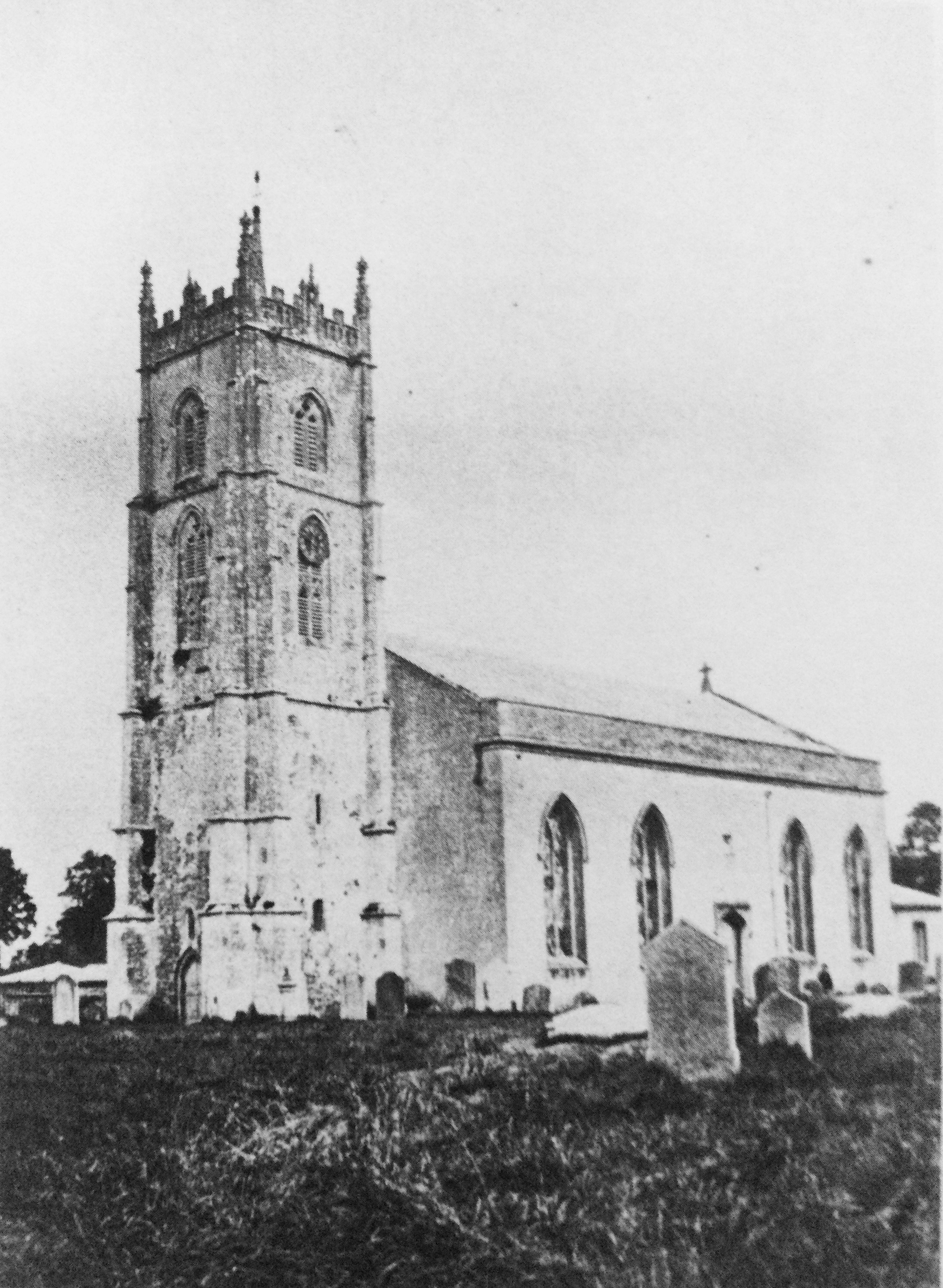
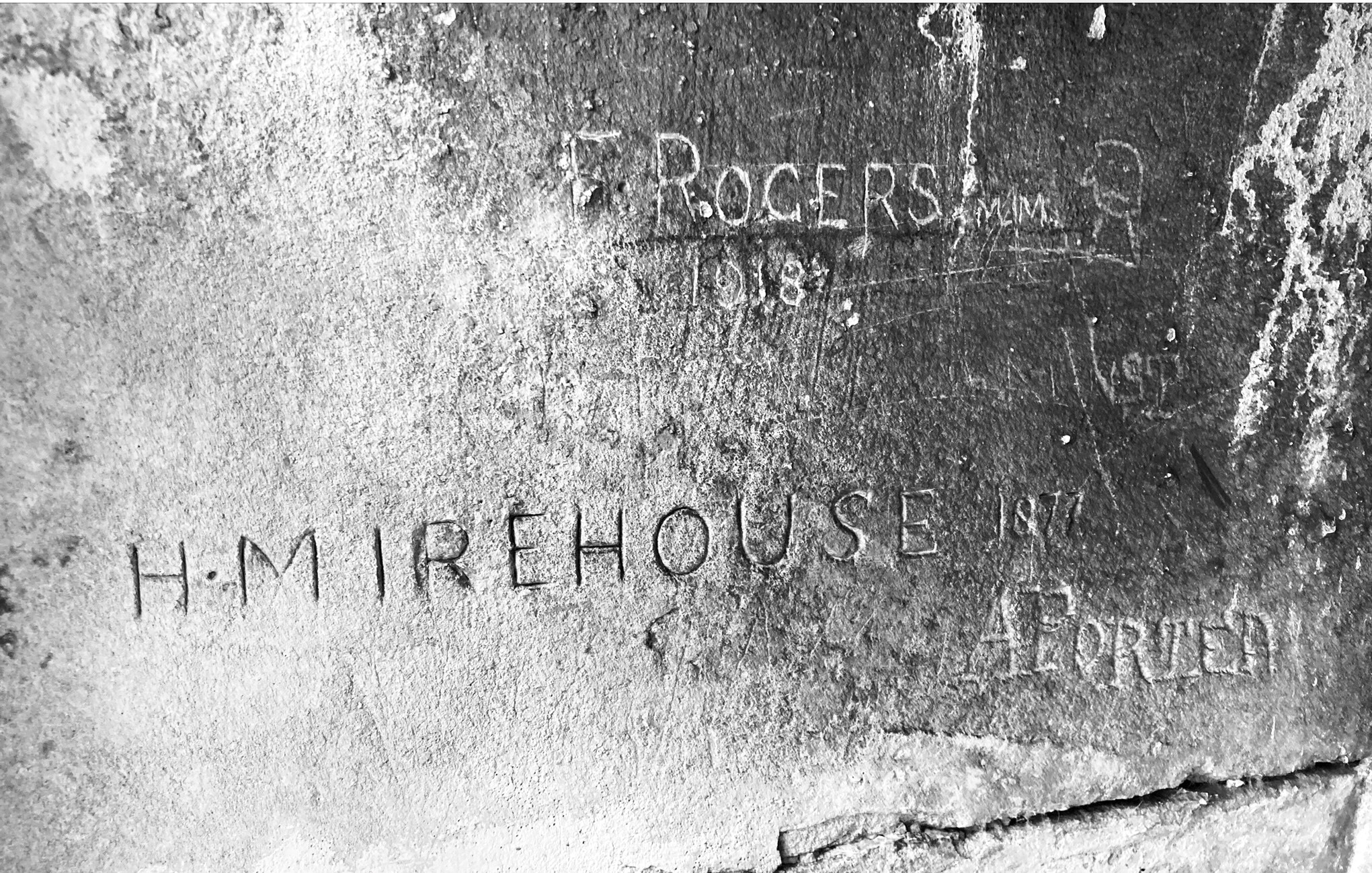
In 1827, sadly, a decision was made to pull down this
ancient edifice and, leaving the tower only, erect a vast octagonal structure
that was bare of warmth, adornment or attraction. This appears to have been an
affectation of Rev Mirehouse who wished to leave some kind of reminder of
himself. It is a shame that this is what he chose, as he seems to have been an
interesting man, on the one hand quite haughty and imperiously class minded, yet
very supportive of the people of Pill in their times of poverty and need and
through the many seafaring travails that impacted on his parishioners’ lives.
The report of the Ecclesiastical Commissioner in 1868
describes the building thus:
“almost hopelessly miserable as
to both structure and fittings”. However, not everyone was appalled, in
Rutter’s “Delineations of the County of Somerset”, 1828, this is said about the
newly erected church (number three):
“The whole of this edifice has
been rebuilt, with the exception of the tower; the interior is fitted up in a
plain, but appropriate manner, so as to contain six hundred free seats for the
lower classes, who are extremely numerous. The tower is ancient, and is
surmounted by battlements, which must have been originally rich and ornamental;
in the centre is a curious figure, apparently representing the patron, St
George, destroying the dragon. The staircase turret, at the angle of the tower,
is continued up to its summit, where it terminates in a light spire.”
This version remained for 44
years only, after which the present far more attractive church paid for by
public subscription, was built, beginning in 1871 and opening in 1872 amongst a
mixture of pomp and solemn ceremony.
One of the preachers at this
service of dedication was, William Temple, later to become Archbishop of
Canterbury in 1942 until his death in 1944.
Rev. H.W. Tyrwhitt, seems to have
taken over a role that included not only the custodial duties towards his
parishioners but also towards the church itself. He was responsible for six
years of major improvements: the vestries were added, the floor re-laid and the
“putting in order” of the belfry and the peal of six bells undertaken, at great
expense.
So, that is the building we now
have, with its, lovely stained-glass windows, interesting monuments, bells and
belfry and mosaic floor laid in memory of Mrs William Hall.
That’s not the complete picture
though, where would we all be without the beautiful, historic churchyard with
its peace and sanctity provided for families, friends and relatives all keeping
company here as they did in life. St George’s churchyard is like an archive of
stones, some falling and now gone, but telling the stories of a long seafaring
history and the tragedies in it.
St George’s
Church has been subjected to the ravages of time and climate and despite a
major project to renew the roof of the North Aisle and Nave in recent years,
major restoration and renovation are needed to secure the building for the
future. We have evidence of subsidence in parts of the building, the roof of
the South Aisle needs replacing and we are seeking ways of making the building
more accessible to the community for a variety of purposes beyond worship. Parishes
are also encouraged to seek more eco-friendly systems for heating and lighting,
so that we can lower our carbon footprint. So we are charged with writing the
next chapter of the church’s history.
Support St George's
Your generosity keeps St George's open and cared for, for everyone
in Easton-in-Gordano. Thank you.